Biohazard Cleanup for Apartments and Houses
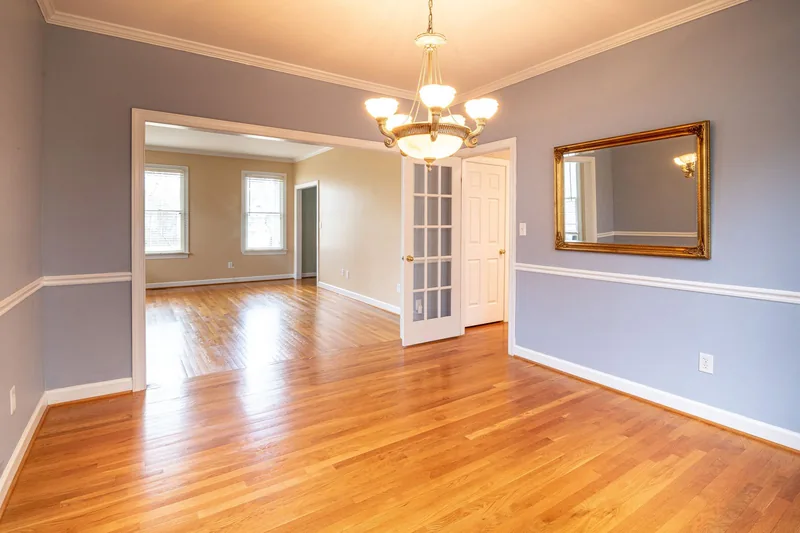
Sewage cleanup and cleaning after crime, hoarding, death or blood are available for condos, high-rise units, apartments and houses.
Learn moreGet blood, bodily fluids, odor and contaminated materials removed safely from any property in Monroe North, day or night.

Local population patterns, housing and site access may affect how containment and cleanup are planned.
The 3.1% renter share suggests many residents can make direct decisions about removing contaminated flooring, walls, or personal items.
In housing built around 1989, a moisture check can help define how far sewage or cleaning water traveled.
Even at 9.9%, seniors living alone can benefit from regular contact that shortens the time before an emergency is noticed.
In an area with 100.0% single-family housing, sewage or fluids may reach lower levels through stairs, drains, and utility openings.
Biohazard cleanup is the safe removal, disinfection and disposal of blood, bodily fluids, tissue and other infectious or hazardous materials after a death, a crime, an accident, a hoarding situation or a sewage backup.
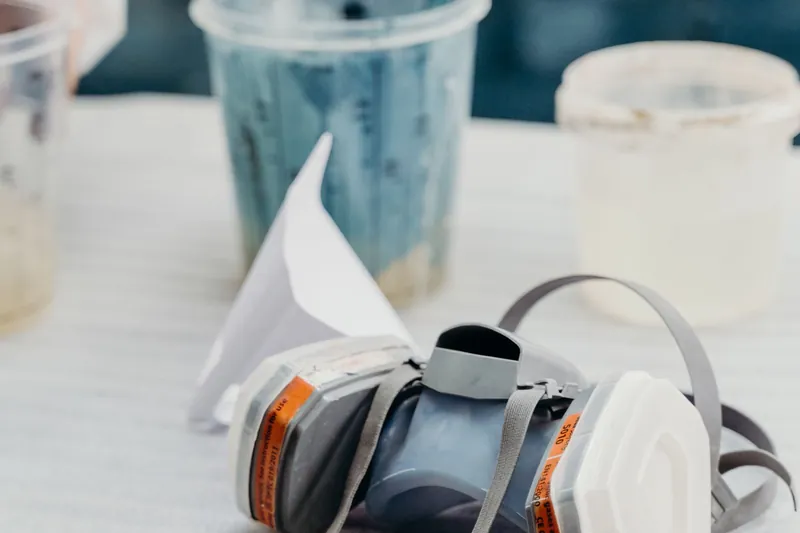
Other names include biohazard remediation, bio hazard cleaning, bio cleanup and trauma cleanup. Professional biohazard cleanup goes further than deep cleaning: technicians wear personal protective equipment, find every place contamination reached, remove porous materials that cannot be disinfected and treat the affected areas until they are back to a livable condition.
Biohazard removal services in Monroe North reach the surrounding areas as well, with emergency response for crime scenes and other traumatic events. Crime scene cleaning, scene cleaning after an unattended death, hazardous waste removal and fentanyl cleanup all count as specialized cleaning. Crime scene cleaners work quietly to restore safety and offer respectful, compassionate service at a hard time.
Biohazards are real health hazards that can make people seriously ill, and the contamination you can see is rarely all of it.
Decomposition creates bacteria, gases and fluids that enter floors, then travel along the ventilation system into nearby rooms.
Hepatitis B, hepatitis C and HIV can live in blood. According to the CDC, hepatitis B remains viable on surfaces for at least seven days.
Within 24 to 48 hours, wet materials may begin growing mold. Raw sewage carries salmonella, hepatitis A and E. coli.
Bleach and sprays clean the surface but leave fluids in carpet pad, subfloor and drywall. What is left behind brings odor and bacteria back, which is why decontamination services remove it.
Sewage cleanup and cleaning after crime, hoarding, death or blood are available for condos, high-rise units, apartments and houses.
Learn more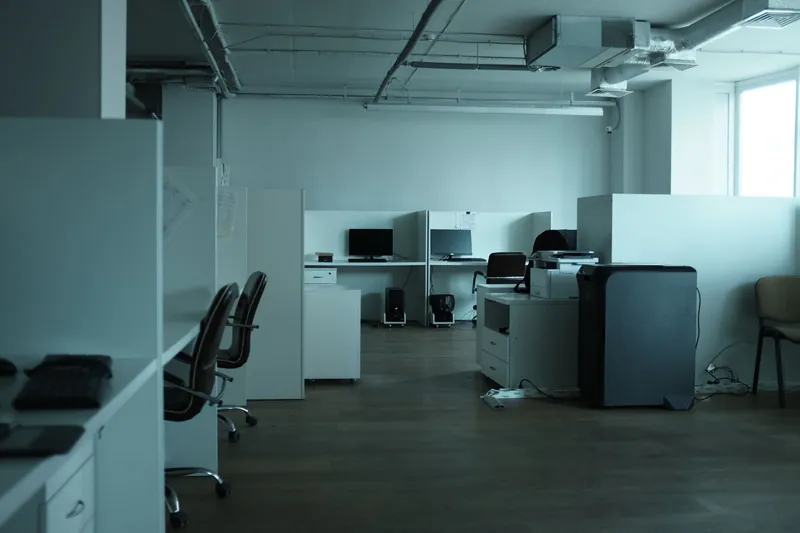
Commercial biohazard cleanup for commercial properties, after injuries, industrial accidents, break-ins or exposures, scheduled around your hours.
Learn more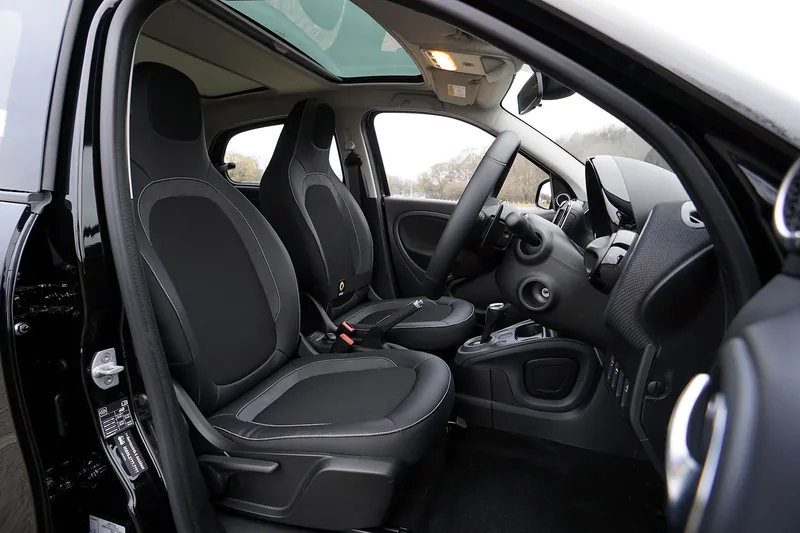
Vehicle biohazard cleanup for blood, bodily fluids and odor in seats, carpet and vents.
Learn more
Cleanup gets a unit ready for rental use and includes records for the owner and insurer.
Learn moreFind the cleanup page suited to your circumstances. Call if you are uncertain about which cleanup service fits.
For most people, this happens only once. These first steps protect your health, your insurance claim and the final cleanup cost.
Call (888) 440-9227The biohazard cleanup process uses a safe, set sequence for every job, from your first phone conversation to the closing inspection.
You describe the incident. Technicians examine and photograph the area, then confirm the work scope with you.
The affected area is sealed off with plastic sheeting so contamination does not spread to other rooms.
After infectious materials soak into carpet, pad, drywall or similar porous items, the affected pieces are removed and sealed for medical waste, so no affected material is left behind.
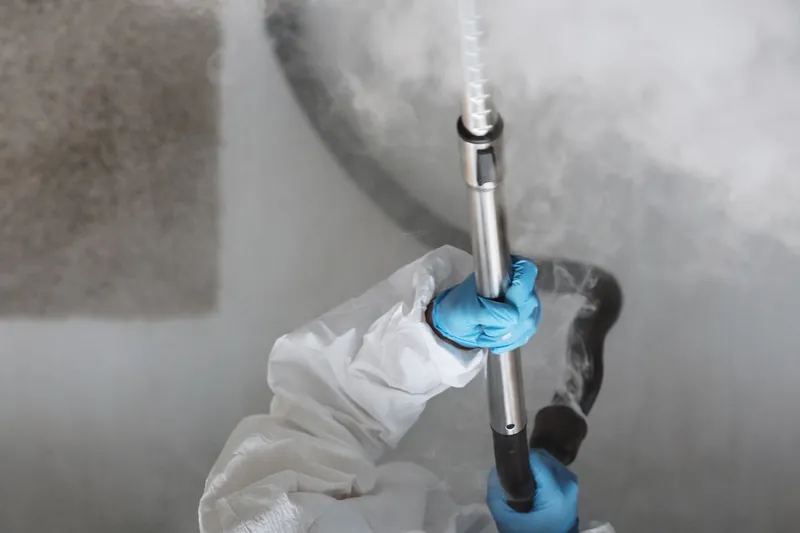
Cleaning every surface is followed by treatment with hospital-grade, EPA-registered disinfectant.
Odor is treated at the source with air scrubbers, hydroxyl or ozone, and vents are checked.
Sealed waste goes to a permitted medical waste treatment facility, with tracking paperwork.
Where needed, ATP testing helps check that the space has returned to a livable condition. You also get photographs and documentation for your claim.
Removed flooring or drywall can be rebuilt by your contractor or your insurer's vendor.
Fixr lists $3,000 to $5,000 as a typical national range for biohazard cleanup. Your price depends on the kind of job. Guides put minor blood cleanup at $500 to $2,500, with sewage backup work at $2,000 to $10,000. The real price is set after the on-site assessment.
Frequently, yes. Homeowners and renters insurance commonly covers biohazard cleanup after a sudden event such as a death, a crime or a sewage backup, minus your deductible.
Payment for death cleanup can often come out of the estate. The executor or a family member usually takes care of this.
The property manager or owner commonly coordinates and funds cleanup for a rented unit or common area.
Insurance generally covers events that are both sudden and accidental. Hoarding and long-term neglect usually are not. Speak with your insurance company before cleanup begins.
Washington's Crime Victims Compensation Program, run by the Department of Labor and Industries, does not pay for crime scene cleanup, so victims of violent crime should ask what it does cover. Insurance is usually checked first.
Call at any time. Ask a specialist to clarify the next cleanup steps for your property.
Biohazard cleanup may be done discreetly. Crews use unmarked vehicles, limit noise and protect details from others living nearby or working in the building.
Body removal is completed either by a funeral home or by the medical examiner or coroner. Once the body is removed, the family or owner must clean the property; a biohazard cleanup company is the choice for most.
Some can last a long time. The CDC says hepatitis B can survive on surfaces for at least seven days, so dried blood should be treated as infectious.
Many renters and homeowners policies include biohazard cleanup for sudden events, less the deductible. Insurance does not usually pay for ongoing neglect or hoarding.
Most jobs take one to three days on site. Severe scenes, decomposition or hoarding cleanouts may require several days to two weeks.
Calls receive an answer 24 hours a day, even on holidays and weekends.